As peer leaders, and as people, we all have the capacity and capability to influence others. We know from our work on TA that we have an impact all the time and that this can be both helpful and unhelpful. This section of the toolbox invites you to think about your Circle of Influence and Concern, your Influencing Style, and your current and desired Map of Influence.
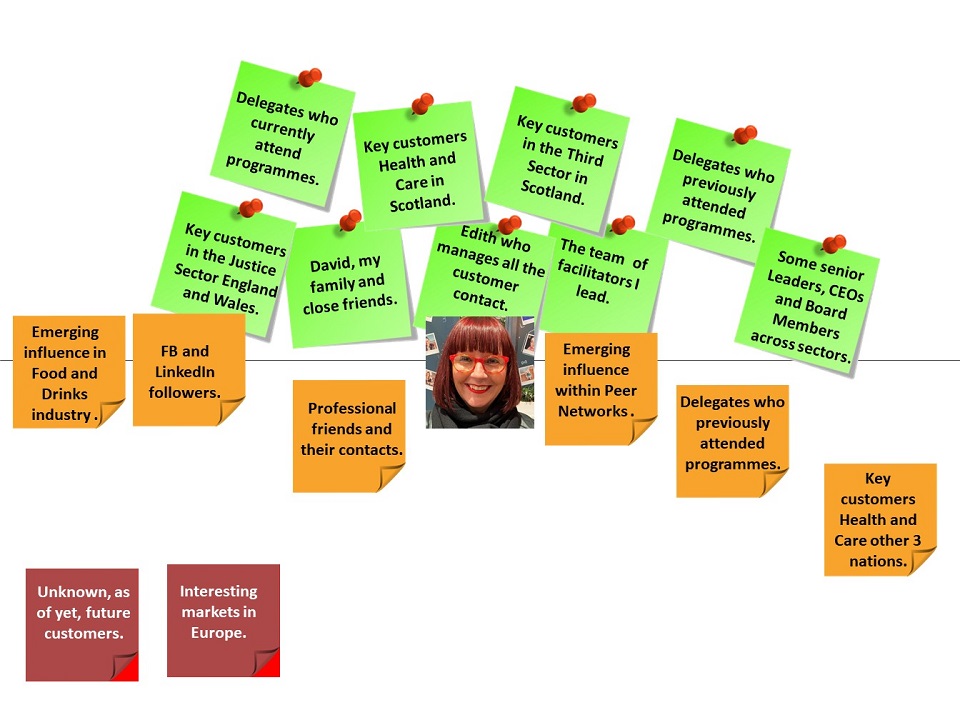
This is ostensibly a ‘White Piece of Paper’ where you visually represent your current network of influence on a sheet of flipchart paper.
This should include information on connections that are important in your world and aspirations to show where you have influence and where you need to have more influence. It might be helpful to think about who is in your circle of influence and who is in your circle of concern.
Listen to Fiona speak about her circle of influence.
Resource: Influence in the System
You will have the opportunity to create your own Map of Influence at Workshop 3.
Please bring a photo of yourself for the centre and think about who will show up where on your map.
Circle of Influence
According to Stephen Covey, proactive people focus on issues in the circle of influence, developing positive energy and confidence by making things happen and so gradually enlarging their circle of influence. In contrast, reactive people neglect the issues that are under their control and influence and grow increasingly bitter and frustrated as their circle of influence progressively shrinks.
Discover more about the Circle of Influence by watching the video below.
Sometimes in large organisations, it’s challenging to push out beyond our current circle of influence. This may require us to feel vulnerable, needing to connect to courage and confidence within ourselves. These are not the usual kinds of things that pop up on competency frameworks, especially in the public sector. However, if we as peer leaders need to step out and up from where we are, then it seems that these ideas matter.
Listen to Brene Brown talking about these concepts.
Push Me Pull Me Questionnaire
Push is more about moving or forcing someone to change rather than motivating them to want to make the change. Push styles tend to involve the ‘stick and carrot’ approach. They can be effective in achieving compliance and possibly quick results but may not achieve commitment.
Pull is generally about motivating the individual to want to change and engage. They tend to involve personal disclosure, involvement and showing the possibilities that will result from change.
They tend to work on decreasing the forces or rationale against change. Pull styles can be effective in gaining commitment and high quality, but they may be slower in achieving results.
Resource: Push Me Pull Me
Helpful additional information
Watch this short video about the Science of Persuasion